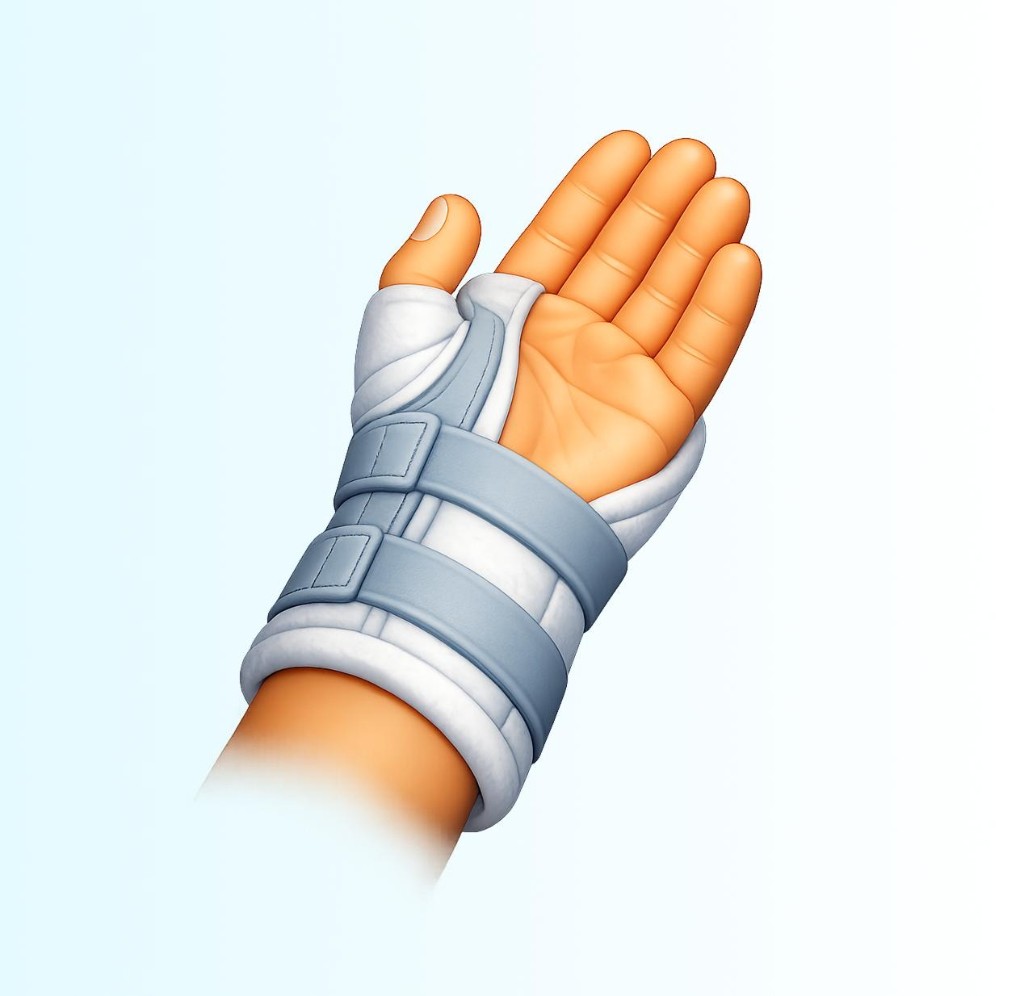
Flying after hand surgery: swelling, clearance, and luggage (education)
Why elevation and swelling matter for long trips, what to ask your surgeon about timing and cabin logistics, and how the travel hub fits alongside recovery education.
From the HandTherapy desk
Long-form, cited patient education on hand surgery, splints, symptoms, nerves and tendons, therapy access, and movement basics—not quick takes.
Clinical & recovery desk
Surgery context, symptom framing, and movement science—the side of the journal closest to what you discuss with a hand surgeon or therapist, still cautious and citation-backed.
Why elevation and swelling matter for long trips, what to ask your surgeon about timing and cabin logistics, and how the travel hub fits alongside recovery education.
Hand function changes with age in ways that overlap with arthritis, tendon irritation, and neurologic conditions — nuance matters.
Ergonomic and therapy education often emphasize pacing and brief movement breaks. Here is how to think about “micro” sessions without over-promising outcomes.
Stiffness, grip changes, and arthritis patterns are common with age. Here is how to stay helpful without turning Google into a substitute clinician.
Putty is a common graded-resistance tool for gentle squeeze work — rice bins, soft balls, or therapy dough can be discussed as alternatives when access or texture matters.
Radial-sided wrist and thumb pain with lifting or childcare tasks is common. AAOS and ASSH patient pages emphasize evaluation and activity modification — not one-size DIY care.
Narrow the full archive by desk
What we're surfacing first this season—high-signal topics, still education rather than individualized medical advice.
Tendon gliding sequences aim to improve tendon glide without provoking irritable tissues — dosing and stop rules matter more than “doing more.”
Read articleNight symptoms, numbness patterns, and weakness are reasons to seek evaluation — education complements, not replaces, examination.
Read articleFrom carpal tunnel release to trigger finger procedures, many surgeries share themes: protection early, motion when cleared, and clear red flags.
Read articleSearch and filter the complete journal archive.
Ergonomic and therapy education often emphasize pacing and brief movement breaks. Here is how to think about “micro” sessions without over-promising outcomes.
Rest reduces irritation after injury, but reputable hand sources also describe gradual return to motion and load. Learn the nuance so you can ask better questions.
Stiffness, grip changes, and arthritis patterns are common with age. Here is how to stay helpful without turning Google into a substitute clinician.
Putty is a common graded-resistance tool for gentle squeeze work — rice bins, soft balls, or therapy dough can be discussed as alternatives when access or texture matters.
Thin loops can bias metacarpal phalangeal extension and finger abduction — dosing stays symptom-limited and coordinated with swelling or post-surgical rules.
Keyboard and mouse setups interact with symptoms — gentle wrist motion and median nerve glide education are common adjuncts when a clinician clears them.
Public-health guidance frames medical travel as a tradeoff of access, cost, and continuity. Accreditation directories can be a starting point for questions — not a substitute for your care team.
Radial-sided wrist and thumb pain with lifting or childcare tasks is common. AAOS and ASSH patient pages emphasize evaluation and activity modification — not one-size DIY care.
Distal extensor tendon injuries are often treated with continuous extension splinting for weeks. Dropping the tip after a bump is not “just a jammed finger” for everyone.
Trigger finger surgery aims to stop catching, but stiffness and soreness can still appear during early motion. AAOS summarizes typical themes — your protocol stays individualized.
Nerve glides aim for a mild, tolerable stretch — not aggressive end-range pushing. Stop if symptoms worsen or peripheralize.
Occupational and hand therapy often spans weeks to months. If you are considering surgery away from home, plan how therapy, splints, and wound checks will continue.
Travel medical policies, major medical plans, and assistance benefits solve different problems. CDC summarizes common gaps for travelers seeking care outside their home system.
Paid time off, flight logistics, and swelling control are not interchangeable with surgeon clearance. Use education pages to align expectations with your team.
Thermal modalities change sensation and blood flow but do not fix underlying diagnoses. NIH and sports-medicine patient summaries emphasize safety with skin sensation and circulation.
Video visits can support education and some monitoring, but hands-on exam, splint fabrication, and urgent wound assessment often still need in-person care.
Why people compare options across borders, what to document before you go, and how to think about therapy after you return — with links to our planning hub.
Why elevation and swelling matter for long trips, what to ask your surgeon about timing and cabin logistics, and how the travel hub fits alongside recovery education.
From carpal tunnel release to trigger finger procedures, many surgeries share themes: protection early, motion when cleared, and clear red flags.
Hand function changes with age in ways that overlap with arthritis, tendon irritation, and neurologic conditions — nuance matters.
Tendon gliding sequences aim to improve tendon glide without provoking irritable tissues — dosing and stop rules matter more than “doing more.”
Moisturizing healed skin, sun protection, and desensitization strategies are common themes — always coordinated with wound status and clinician guidance.
Thermoplastic custom fitting can improve comfort and joint positioning — but access, cost, and diagnosis-specific rules vary widely.
Research on rehabilitation attendance often mixes diagnoses and settings; the honest takeaway is that life barriers matter as much as motivation.
National workforce statistics describe occupational therapists broadly; certified hand therapists are a narrower subset with uneven distribution.
Cash prices and allowed amounts vary by region and insurer; reputable sources emphasize transparency tools and billing questions rather than a single number.
Medicare, Medicaid, and commercial plans each use different rules; the safest approach is to verify benefits and medical necessity documentation.
Night symptoms, numbness patterns, and weakness are reasons to seek evaluation — education complements, not replaces, examination.
Long reads live here — guided sessions and movement vocabulary stay in their own hubs with filters cleared for orientation only.
Voice commands
This browser does not support speech recognition for hands-free commands. Keyboard shortcuts still work on sessions and Reels.