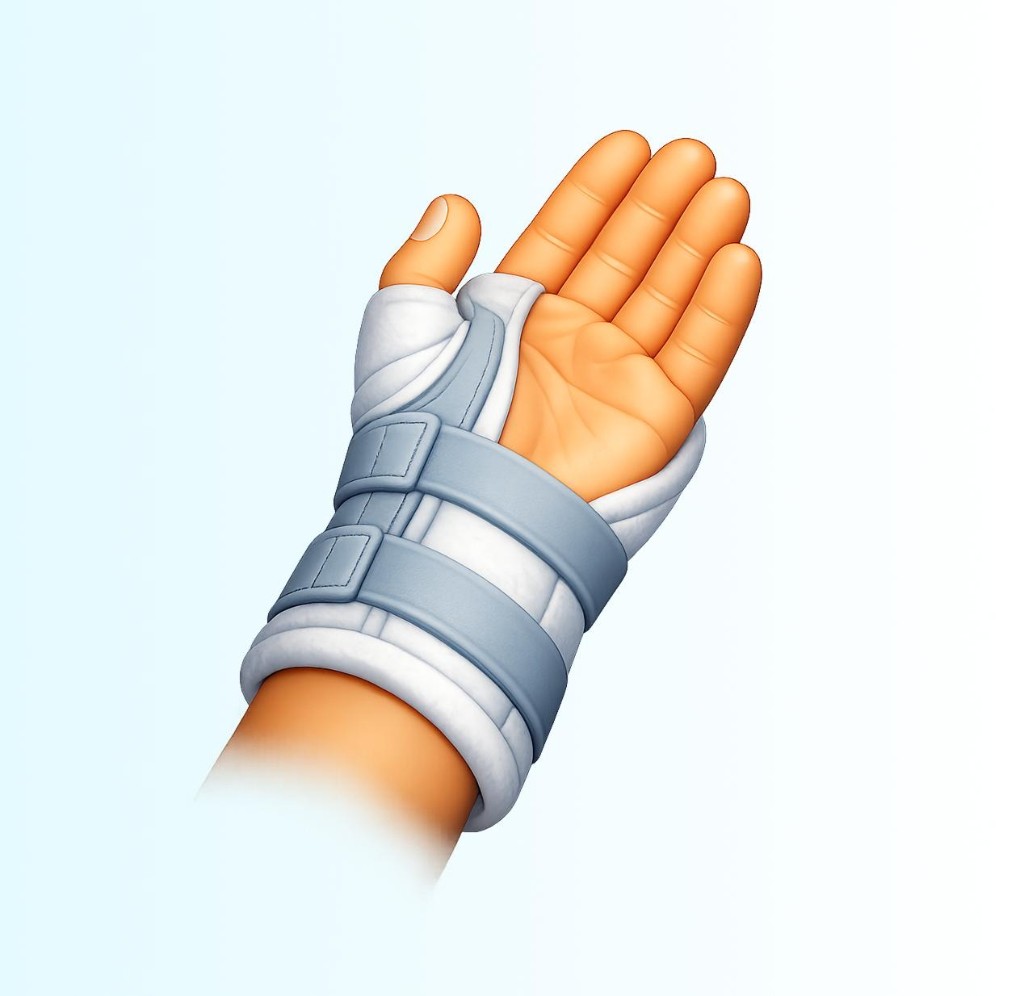
After trigger finger release: recovery basics, grip pacing, and scar care (education)
Surgery & recovery··6 min read·By HandTherapy·Education only; not individualized medical advice.
Legal notices for this article (informational)
Journal articles summarize topics with cited sources for education. Citations are for context, not an endorsement by those organizations. This is not individualized medical or legal advice.
OrthoInfo distinguishes trigger finger symptoms from other causes of catching and outlines when procedures may be discussed. ASSH’s patient page highlights that therapy and home programs should follow surgeon guidance.
Themes many patients notice in early weeks
- Palm-base soreness near the incision versus sharp catching with movement — new catching should be reported.
- Gradual return to grip and pinch rather than testing maximum strength on day one unless cleared.
- Scar massage and desensitization only when wounds are healed and your team agrees — see also our scar journal article for general education.
Read the procedure hub for trigger finger release alongside the symptom primer on trigger finger.
Related collections
Explore on HandTherapy.app
These in-app guides pair with this article. They are educational, not a personalized plan.
Evidence & product framing
Journal articles cite external literature for education — see how HandTherapy.app uses research as a transparency layer, not proof of clinical validation.
Related articles
- Common hand surgeries: a cautious, patient-friendly map
From carpal tunnel release to trigger finger procedures, many surgeries share themes: protection early, motion when cleared, and clear red flags.
- Therapy putty: resistance levels, household alternatives, and pacing ideas
Putty is a common graded-resistance tool for gentle squeeze work — rice bins, soft balls, or therapy dough can be discussed as alternatives when access or texture matters.
- Resistance bands for finger spread and extension: small loops, big therapy themes
Thin loops can bias metacarpal phalangeal extension and finger abduction — dosing stays symptom-limited and coordinated with swelling or post-surgical rules.
- Tendon glides: why therapists prescribe them — and how to stay in a safe range
Tendon gliding sequences aim to improve tendon glide without provoking irritable tissues — dosing and stop rules matter more than “doing more.”
Sources & further reading
- Trigger Finger — AAOS OrthoInfo(accessed 2026-04-26)
- Trigger Finger — ASSH HandCare(accessed 2026-04-26)
- Tendonitis and tenosynovitis — NIAMS (NIH)(accessed 2026-04-26)
Was this article helpful?
Your choice is saved only in this browser. We may record an anonymous helpful / not-helpful tally — not your article text.