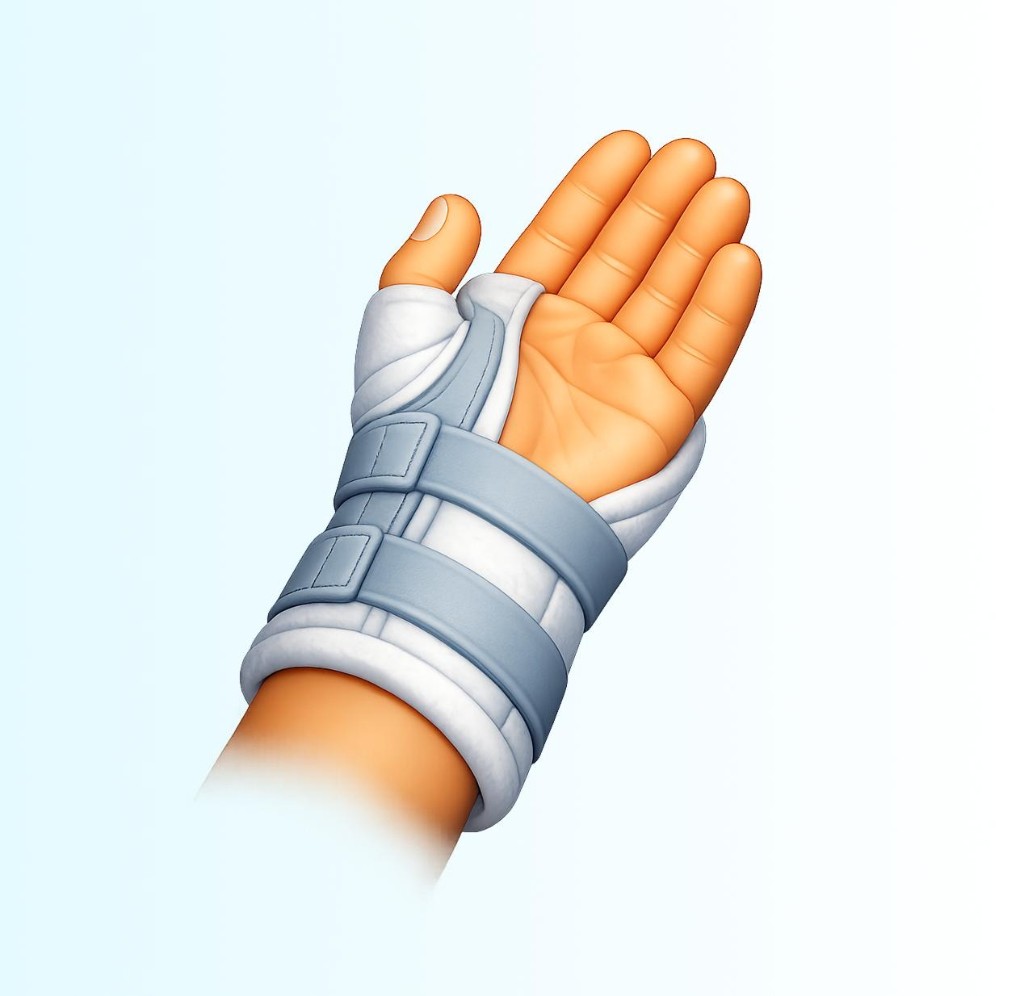
Home exercise adherence can decline over time
Patient confidence and follow-through may fade without better guidance.
Source direction · Patient adherence with at-home hand and wrist exercises
Informed, not validated
HandTherapy.app uses research as a trust layer without overstating clinical proof. The themes below shape product decisions, copy, and safety language.
Research themes
Each card states a directional theme — not a product claim. Citations and geography still need editorial verification before any statistic ships on marketing pages.
Patient confidence and follow-through may fade without better guidance.
Source direction · Patient adherence with at-home hand and wrist exercises
Guided visual instructions can be easier than static paper handouts.
Source direction · Randomized comparisons of video instruction vs. handouts
Lost work, reduced function, and productivity impact matter alongside care.
Source direction · Rehabilitation cost analysis of traumatic hand injuries
Public health data supports a focused hand recovery product.
Source direction · Economic impact of hand and wrist injuries
The product should support professional therapy, not replace it.
Source direction · American Society of Hand Therapists scope and practice resources
Education-first surfaces where research informs pacing, copy, and safety — not clinical validation claims.
Stat themes to verify
Each theme is a planned area of citation, to be verified before publication.
Tap a row to read how we plan to use each theme.
Explore
Research informs tone and prioritization — these hubs carry the patient-facing education.
Themes here shape editorial caution — for movement names and timed sessions, use the library hubs with filters cleared so inherited search state does not skew what you see.
Voice commands
This browser does not support speech recognition for hands-free commands. Keyboard shortcuts still work on sessions and Reels.