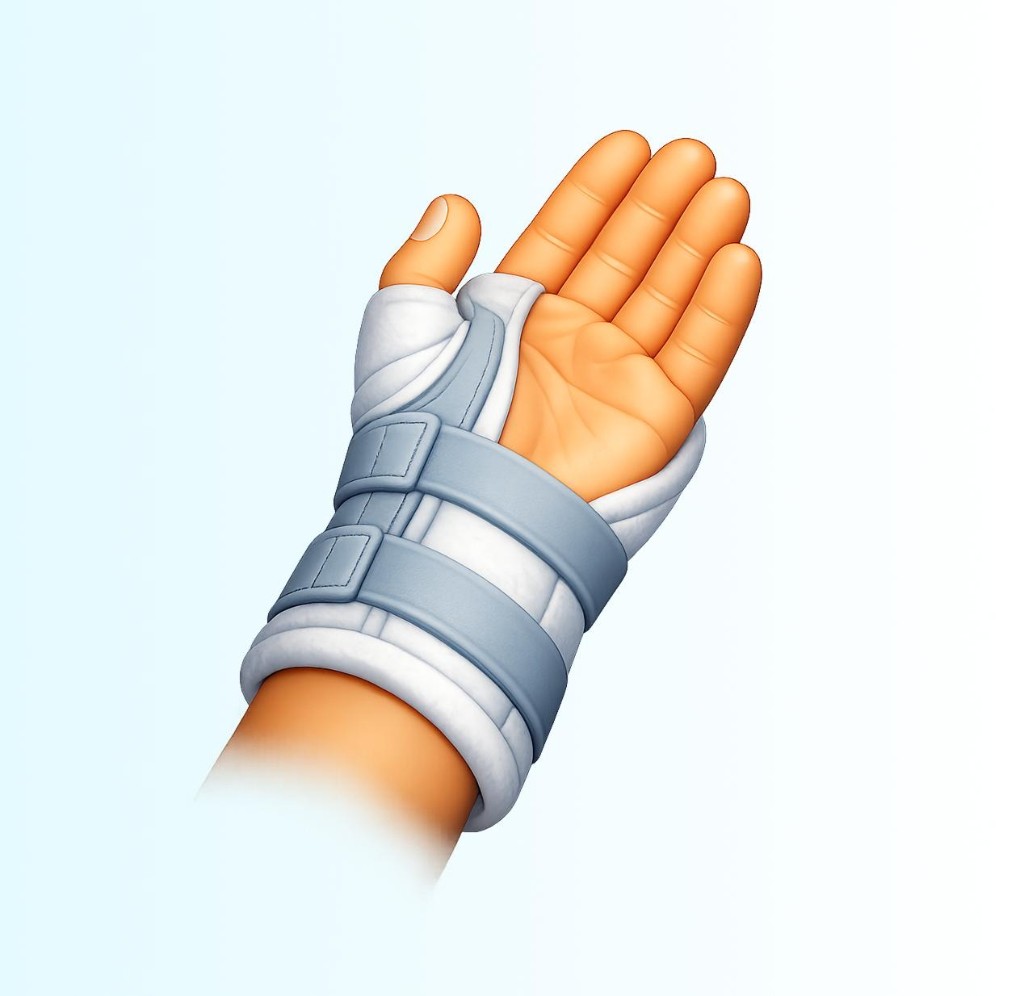
Hand therapy education hub
A patient-first hand therapy education library
Pick a topic below, then go deeper into exercises, anatomy, and therapist concepts — plain language first, sources where it matters, and stop rules on routines.
Browse topic guides
Conditions
Symptoms, triggers, and when to get seen — with linked sources.
Surgeries
Common procedures, recovery phases, and red flags.
Patients
Typical situations and workloads (office, parent, post-op, older adult, …) — pick the closest match; not a diagnosis.
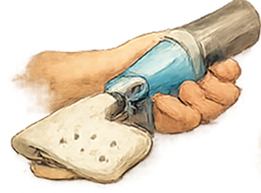
Splint library
Searchable splint catalog with materials, fit, and care notes.
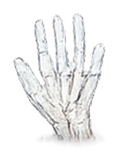
Anatomy
Bones, joints, tendons, nerves — plain-language primer.
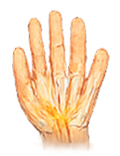
Hand joints
Wrist, thumb, and finger hinges — diagrams and how they show up in exercises.

Movement library
Canonical motions with dose, stop rules, and progressions — pairs with guided exercises.
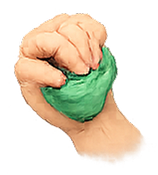
Recovery marketplace
Orientation-only listings for braces, putty, and daily aids — search links, not checkout.
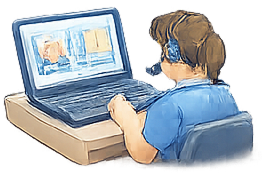
VR & painful ROM
Movement-gated distraction — safety framing and web resources for education (not a treatment plan).

Household hand drills
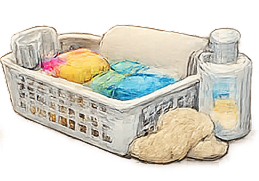
Towels, jars, and bottles as conditioning — ranked cautions from your saved profile; education only.
Hand + other injuries
Honest scope note: hand-first tools today vs future multi-area coordination — still follow your clinician for combined plans.

Strong hands (not injured)
Sport, work, or longevity grip path with a risk screen and symptom-first gates — not a rehab prescription.
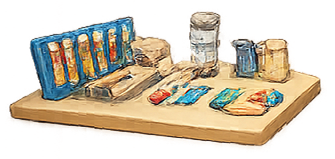
ASL alphabet dexterity games
Cue quiz, sequence echo, and word relay for the one-hand manual alphabet — fine motor + literacy, no camera.
How we use research (transparency, not validation claims)
Concepts behind safer home recovery
The ideas hand therapists use to plan recovery — in plain language.

Tune load and goals to your hand first
Pain, stiffness, and goals differ — map your limits locally before long sessions so pacing and exercise picks stay safer by default.
Tissue healing phases
Inflammatory, proliferative, and remodeling phases — and what kinds of movement are usually safe in each.
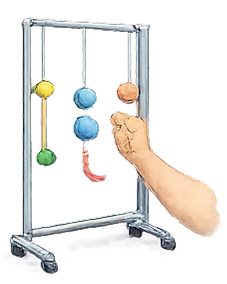
Load progression principles
How and why hand therapists gradually increase load, range, or repetitions only when symptoms remain stable.
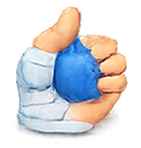
Pain as a signal, not the enemy
How to distinguish between productive discomfort, irritation, and warning pain that means stop.
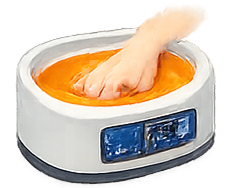
Edema & circulation basics
Why swelling matters, how it limits motion, and what gentle, safe management looks like at home.
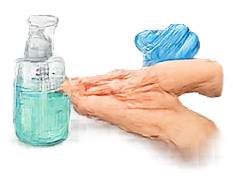
Sensory re-education
How the brain remaps touch, pressure, and texture awareness after nerve injury or scarring.
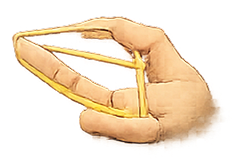
Neurodynamics
Why nerves need to glide and how nerve mobility differs from stretching a muscle.
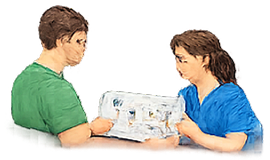
Patients & real-life demands
How we group common situations (typing-heavy, new parent, post-op, older adult grip) so pacing and safety rails match daily life — not a diagnosis.

Adherence & habit design
Why consistency beats intensity, and how micro-sessions outperform unrealistic plans.
Official-source summaries for CHT, BAHT/ECHT-linked materials, and other published credential guides — plus how we surface society keywords in the therapist directory. Educational only; not eligibility advice.
Notice patterns without blaming yourself
Hand symptoms are shaped by work, age, repetitive motion, chronic conditions, and habits. The app helps surface gentle patterns once enough data exists.