Condition
Parkinson's disease — hand and upper limb
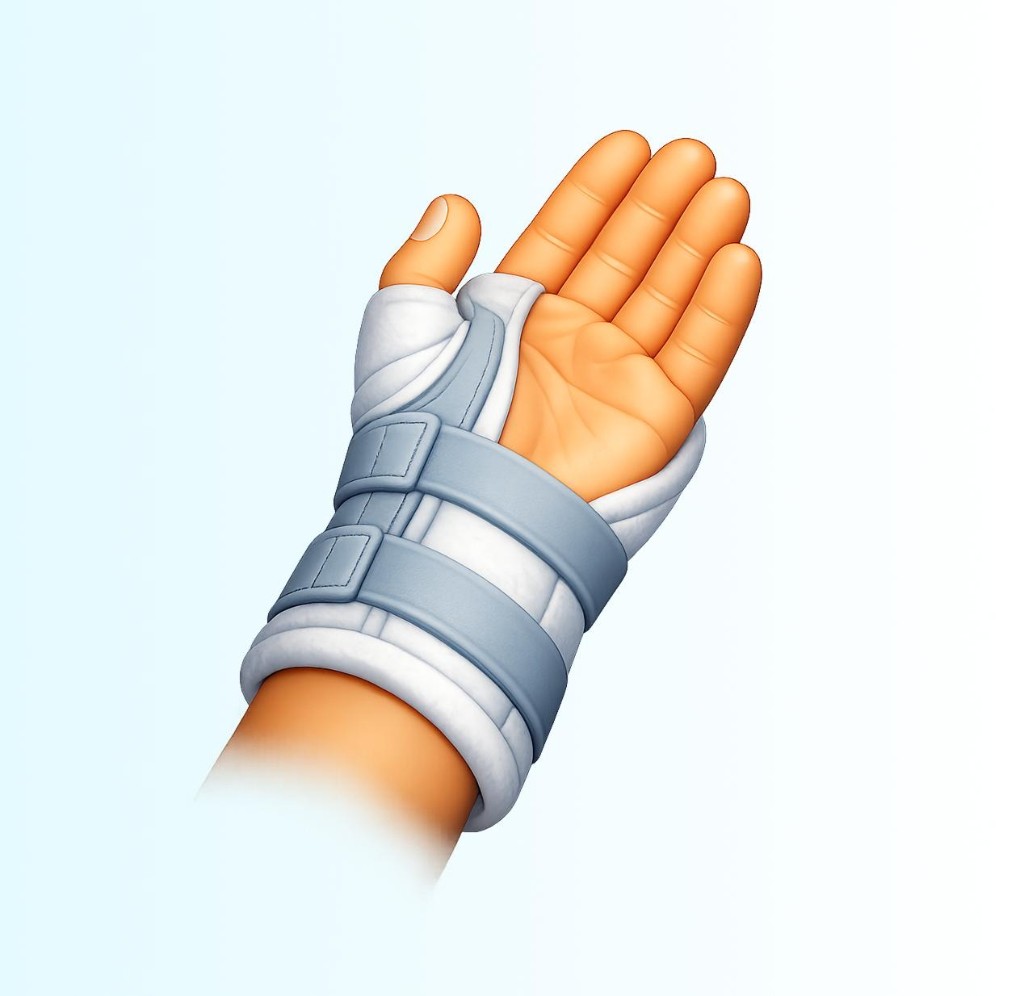
Parkinson's disease (PD) is a movement disorder that can affect the hands and wrists along with the rest of the body. People often notice smaller handwriting (micrographia), slower fine-motor tasks (buttons, keys, utensils), stiffness, tremor, or fatigue that makes repeated grips harder — symptoms vary day to day. Hand therapists and neurologists can help tailor exercises, splints, and strategies; this page is education only.
Common triggers
- Fatigue, stress, or illness that makes fine motor tasks feel harder
- Long stretches of typing, texting, or tool use without breaks
- Cold hands or shivering that changes how steady the fingers feel
When to seek care
- Sudden new weakness on one side of the body or face droop — emergency care
- A rapid drop in hand function over days to weeks compared with your usual
- Severe pain, redness, fever, or infection signs in the hand or wrist
- Frequent falls or near-falls, or new confusion — tell your clinician promptly
Practice libraries beside this condition
Timed sessions and movement vocabulary live in separate hubs — open with filters cleared for browsing only, not as a substitute for your own diagnosis or plan.
Sources
- Parkinson's Disease Information Page — National Institute of Neurological Disorders and Stroke (NINDS)(accessed 2026-04-25)
- Parkinson disease (fact sheet) — World Health Organization(accessed 2026-04-25)