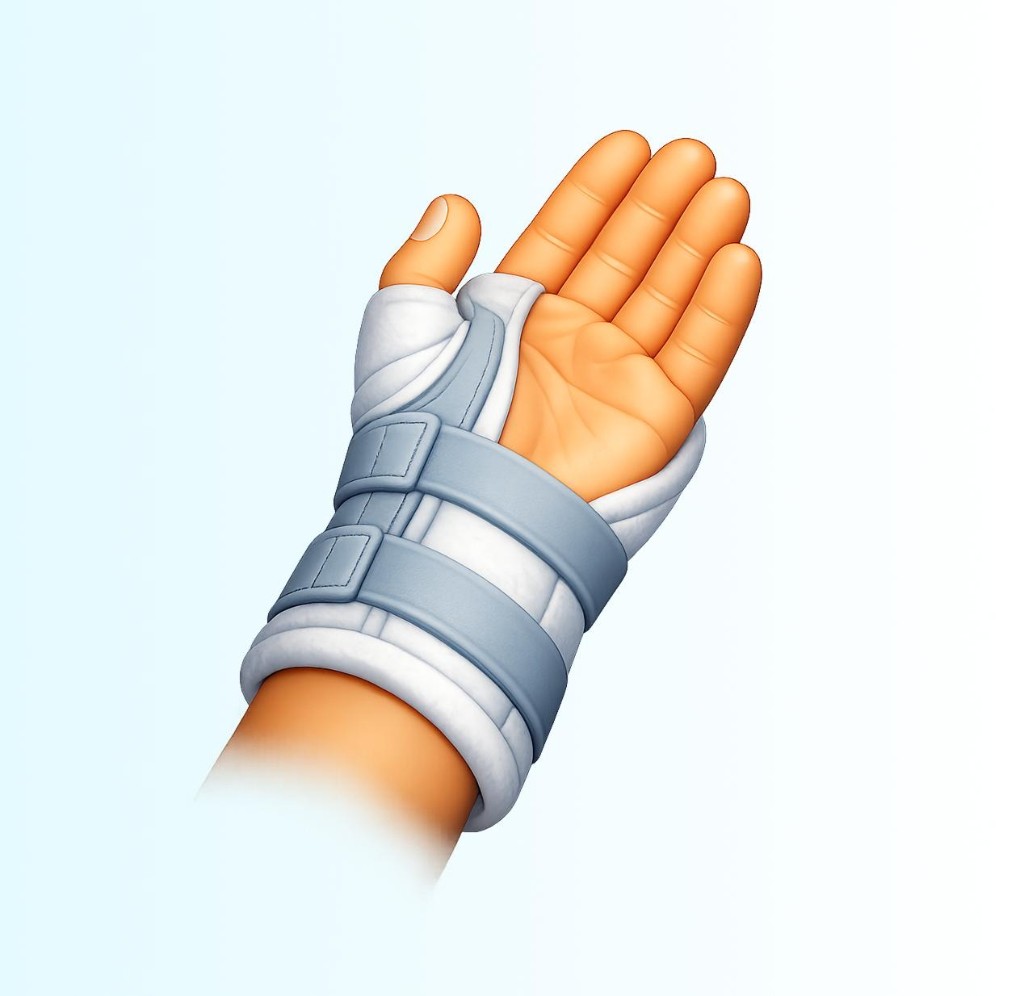
Trigger finger release
A small procedure that opens the tight pulley at the base of a finger so the tendon can glide freely again.
- Phases
3
- Red flagsEscalation
3
- Sources
1
Page reviewed — follow your clinical team for decisions.
Why it's done
- Painful catching or locking of a finger
- Symptoms that don't respond to a steroid injection or splinting
Related condition overview
Our learn library has a separate page on Trigger finger — helpful context alongside this surgery overview (diagnosis, day-to-day coping, and when to seek care).
Typical recovery phases
General patterns only — your protocol wins.
These phases describe common themes many teams use after this type of procedure. Your surgeon and hand therapist set the exact timeline, motion limits, and return-to-work or driving rules.
- Phase 1Days 0–7
Wound care; full finger motion.
Move the finger gently and often to avoid stiffness.
- Phase 2Weeks 1–3
Resume most daily tasks.
Avoid heavy gripping while the wound matures.
- Phase 3Weeks 3–6
Strength and full grip return.
Light putty and grip drills as cleared.
Red flags — call your team
Contact your surgical team urgently for new or worsening symptoms like these. If you cannot reach them and the problem feels life-threatening, use local emergency services.
- Spreading redness
- Drainage or fever
- New numbness in the finger
Sources
Independent references we used to shape this overview. They do not replace your clinician's instructions or your local emergency pathways.
- Trigger finger — American Society for Surgery of the Hand(accessed 2026-04-21)