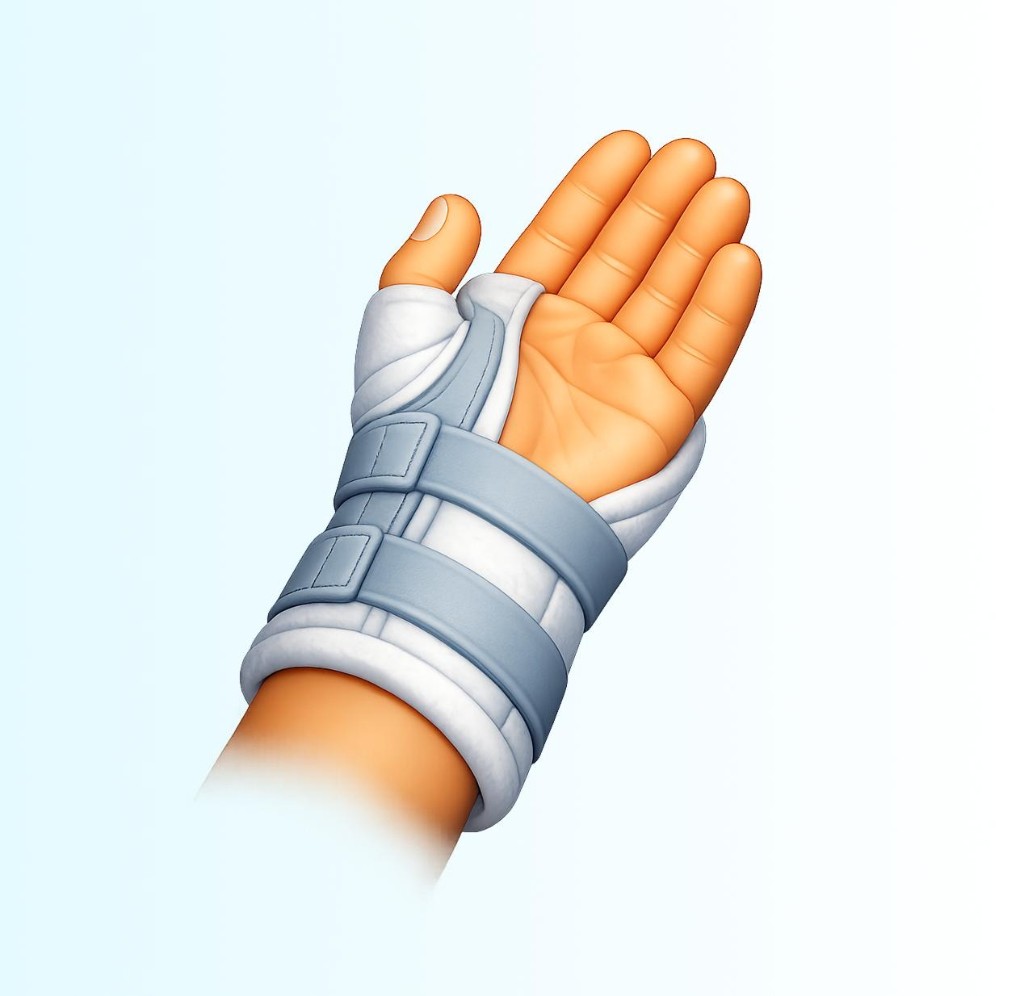
What “just rest it” actually means for hand and wrist recovery — and when it is incomplete advice
Protection phases are real; so is graded loading once your team clears you
Hand therapy fundamentals··7 min read·By HandTherapy·Education only; not individualized medical advice.
Legal notices for this article (informational)
Journal articles summarize topics with cited sources for education. Citations are for context, not an endorsement by those organizations. This is not individualized medical or legal advice.
Friends, coaches, and well-meaning relatives often say “just rest it” when your hand hurts. For some tissues — especially right after a sprain or flare — relative rest really is part of the plan. AAOS OrthoInfo describes how soft-tissue injuries may need a period of protection before stressing the area again.
Where the nuance comes in
Complete immobilization for long periods can stiffen joints and weaken tendons unless your clinician intends that for healing (for example, certain fractures or post-operative protocols). That is why hand therapy discussions usually pair rest windows with graded motion or strengthening when it is safe. ASSH’s patient-facing HandCare hub is a good reminder that timelines vary by injury and person.
If you are curious why plans evolve, read Why protocols change — it translates common reasons updates happen without implying your clinician was wrong the first time.
Questions worth asking your team
- “What am I protecting right now — tendon, joint, nerve, or wound?”
- “What safe motion am I still allowed to do so stiffness does not creep in?”
- “Which symptoms mean I should pause the home program and call?”
Pair education with the safety hub’s red-flag framing on Safety whenever symptoms feel unfamiliar or rapidly worsening.
Related collections
Explore on HandTherapy.app
These in-app guides pair with this article. They are educational, not a personalized plan.
Evidence & product framing
Journal articles cite external literature for education — see how HandTherapy.app uses research as a transparency layer, not proof of clinical validation.
Related articles
- Desk ergonomics for wrists: supports, micro-breaks, and nerve glide snacks
Keyboard and mouse setups interact with symptoms — gentle wrist motion and median nerve glide education are common adjuncts when a clinician clears them.
- The ninety-second hand recovery habit: tiny movement snacks between tasks
Ergonomic and therapy education often emphasize pacing and brief movement breaks. Here is how to think about “micro” sessions without over-promising outcomes.
- Heat or ice for hand and wrist pain? Practical defaults and exceptions
Thermal modalities change sensation and blood flow but do not fix underlying diagnoses. NIH and sports-medicine patient summaries emphasize safety with skin sensation and circulation.
- Therapy putty: resistance levels, household alternatives, and pacing ideas
Putty is a common graded-resistance tool for gentle squeeze work — rice bins, soft balls, or therapy dough can be discussed as alternatives when access or texture matters.
Sources & further reading
- Sprains, strains and other soft tissue injuries — AAOS OrthoInfo(accessed 2026-05-02)
- Hand care — American Society for Surgery of the Hand(accessed 2026-05-02)
Was this article helpful?
Your choice is saved only in this browser. We may record an anonymous helpful / not-helpful tally — not your article text.