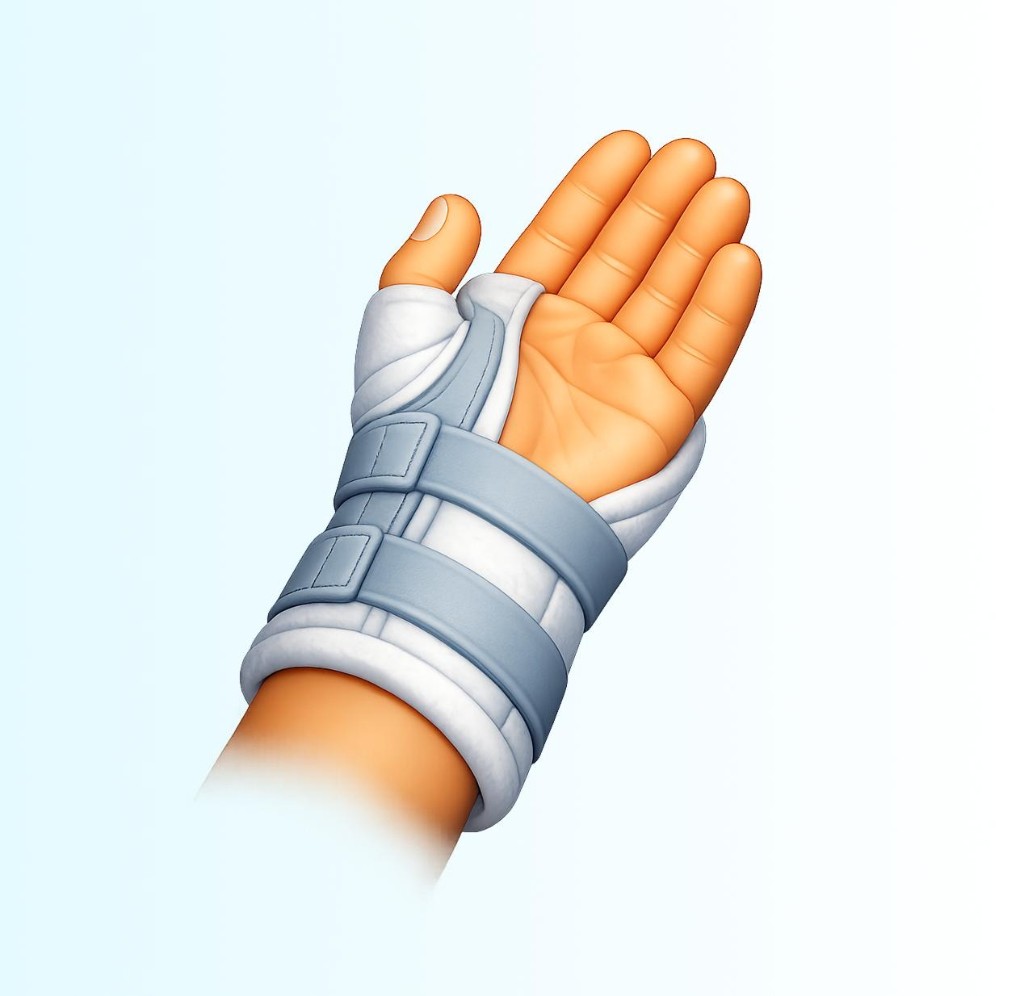
Heat or ice for hand and wrist pain? Practical defaults and exceptions
Hand therapy fundamentals··5 min read·By HandTherapy·Education only; not individualized medical advice.
Legal notices for this article (informational)
Journal articles summarize topics with cited sources for education. Citations are for context, not an endorsement by those organizations. This is not individualized medical or legal advice.
MedlinePlus patient instructions for sports injuries note that ice can reduce pain and swelling early after acute injury, while heat can ease stiffness for some chronic irritations. NIAMS osteoarthritis materials discuss heat/cold as self-management options within a broader plan.
Simple decision framing
- Acute swelling or a fresh flare after trauma: cold packs for short intervals may be suggested — never sleep on ice.
- Stiffness-dominant osteoarthritis days: gentle heat before supervised exercise might be discussed — OrthoInfo covers tennis elbow and other overuse patterns separately.
Read finger osteoarthritis and tennis elbow for condition-specific nuance, and our safety hub for readiness checks.
Related collections
Explore on HandTherapy.app
These in-app guides pair with this article. They are educational, not a personalized plan.
Evidence & product framing
Journal articles cite external literature for education — see how HandTherapy.app uses research as a transparency layer, not proof of clinical validation.
Related articles
- A caregiver’s primer on hand changes in aging parents — observation, not diagnosis
Stiffness, grip changes, and arthritis patterns are common with age. Here is how to stay helpful without turning Google into a substitute clinician.
- Aging and hand health: risks, resilience, and realistic expectations
Hand function changes with age in ways that overlap with arthritis, tendon irritation, and neurologic conditions — nuance matters.
- What “just rest it” actually means for hand and wrist recovery — and when it is incomplete advice
Rest reduces irritation after injury, but reputable hand sources also describe gradual return to motion and load. Learn the nuance so you can ask better questions.
- Desk ergonomics for wrists: supports, micro-breaks, and nerve glide snacks
Keyboard and mouse setups interact with symptoms — gentle wrist motion and median nerve glide education are common adjuncts when a clinician clears them.
Sources & further reading
- Osteoarthritis — NIAMS (NIH)(accessed 2026-04-26)
- Sports Injury Treatment — NIH MedlinePlus(accessed 2026-04-26)
- Tennis Elbow — AAOS OrthoInfo(accessed 2026-04-26)
Was this article helpful?
Your choice is saved only in this browser. We may record an anonymous helpful / not-helpful tally — not your article text.