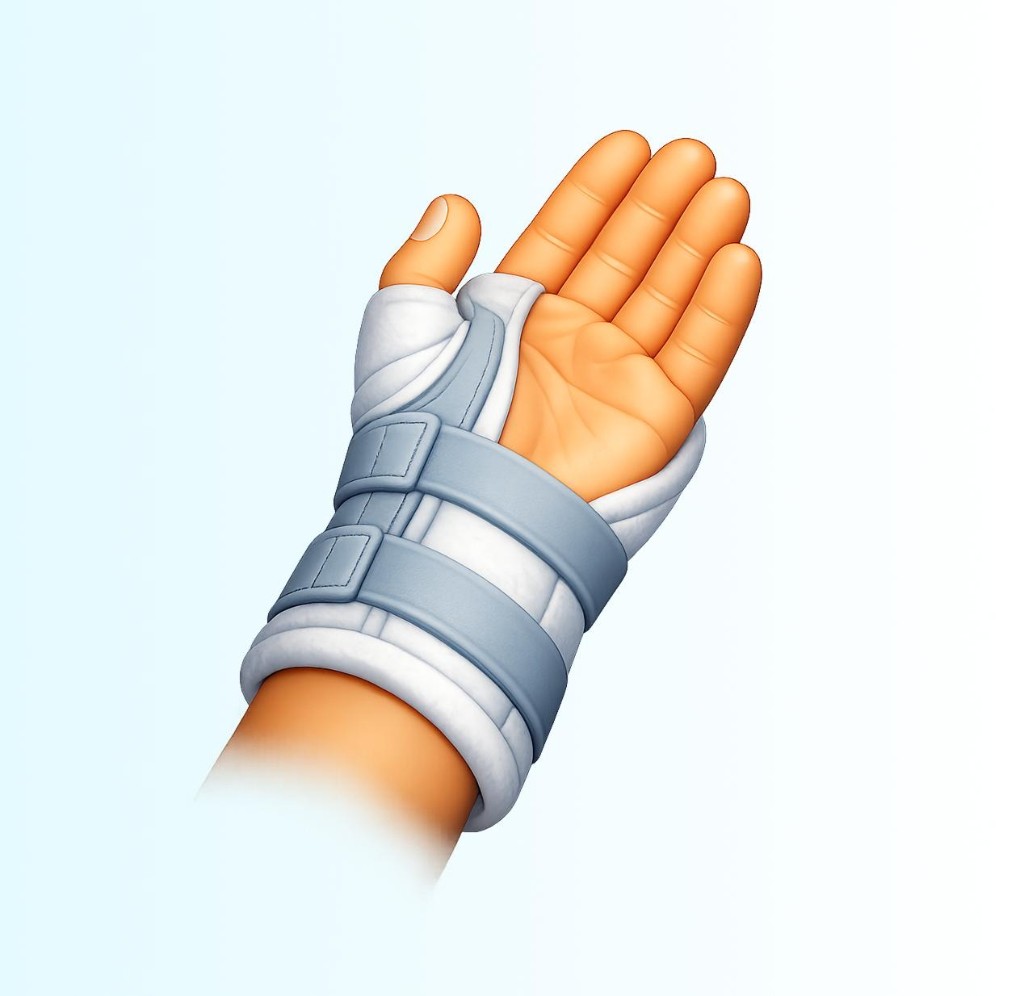
Hand therapy access and workforce: geography matters
Access, cost & insurance··7 min read·By HandTherapy·Education only; not individualized medical advice.
Legal notices for this article (informational)
Journal articles summarize topics with cited sources for education. Citations are for context, not an endorsement by those organizations. This is not individualized medical or legal advice.
When people say “there are not enough therapists,” they are usually mixing two problems: overall workforce numbers and specialty distribution. Hand and upper-extremity rehabilitation often benefits from clinicians with advanced training, but those clinicians are not evenly spread across counties.
What BLS data is good for (and what it is not)
The U.S. Bureau of Labor Statistics publishes national and state employment estimates for occupational therapists. That is useful for understanding broad supply trends — it does not automatically map to “minutes of hand therapy available in your town this week.”
Rural and underserved communities
HRSA’s health workforce data programs track shortages and maldistribution across disciplines. Access barriers can include travel distance, fewer clinics accepting certain insurance plans, and longer wait times.
Evidence & product framing
Journal articles cite external literature for education — see how HandTherapy.app uses research as a transparency layer, not proof of clinical validation.
Related articles
- Choosing a facility abroad: accreditation as one signal among many (education)
Public-health guidance frames medical travel as a tradeoff of access, cost, and continuity. Accreditation directories can be a starting point for questions — not a substitute for your care team.
- Cross-border hand therapy: continuity before you leave and after you land
Occupational and hand therapy often spans weeks to months. If you are considering surgery away from home, plan how therapy, splints, and wound checks will continue.
- Travel insurance vs health insurance for elective hand surgery abroad (definitions)
Travel medical policies, major medical plans, and assistance benefits solve different problems. CDC summarizes common gaps for travelers seeking care outside their home system.
- Telehealth after hand surgery away from home: what remote visits can and cannot do
Video visits can support education and some monitoring, but hands-on exam, splint fabrication, and urgent wound assessment often still need in-person care.
Sources & further reading
- Occupational Therapists — U.S. Bureau of Labor Statistics(accessed 2026-04-22)
- National Center for Health Workforce Analysis — Health Resources & Services Administration (HRSA)(accessed 2026-04-22)
Was this article helpful?
Your choice is saved only in this browser. We may record an anonymous helpful / not-helpful tally — not your article text.