

Work & Job Specific
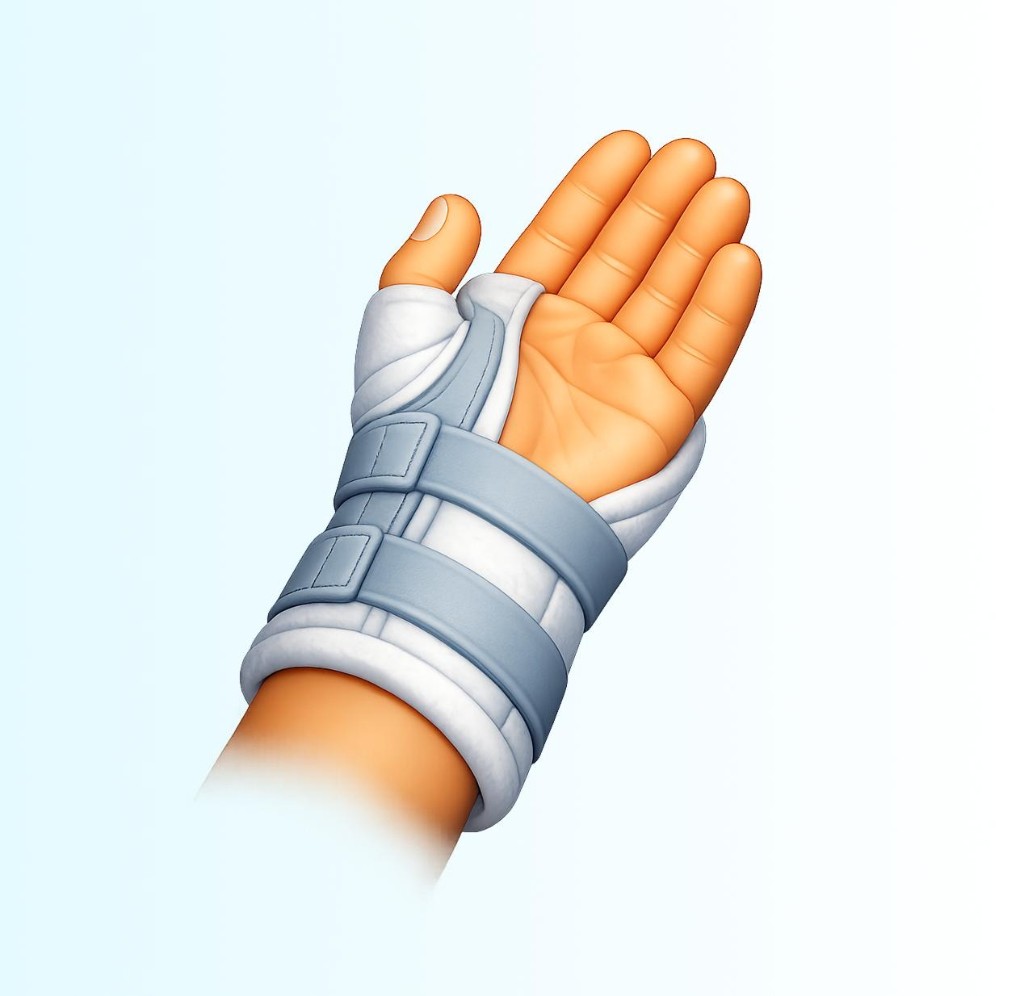
Phone Tripod Grip
Camera
Phone Tripod Grip for hand therapy, recovery, accessibility, or daily task support.
What this is for
Adapts tools and workstations so hands can tolerate longer tasks with less strain—often with ergonomic guidance from a therapist.
How it is usually used
Adjusted across the workday: micro-breaks, tool padding, and neutral wrist postures—often documented with occupational health or a hand therapist.
- Often grouped with “camera” goals in hand rehab education—helpful when that theme matches what you are working on with a clinician.
- Often grouped with “phone” goals in hand rehab education—helpful when that theme matches what you are working on with a clinician.
- Often grouped with “typing strain” goals in hand rehab education—helpful when that theme matches what you are working on with a clinician.
- Often grouped with “vibration exposure” goals in hand rehab education—helpful when that theme matches what you are working on with a clinician.
- Often grouped with “grip endurance” goals in hand rehab education—helpful when that theme matches what you are working on with a clinician.
This page explains typical patterns only. It is not a personalized prescription—follow your clinician, product instructions, and local safety rules.
Typical price (education estimate)
~$20
Often listed around $10 – $30 — varies by retailer and region.
HandTherapy.app does not sell this item. Use retailer links below to compare options you trust.
My kit (this device)
Mark gear you already own to unlock exercise shortcuts on the shop hub. Stored only in this browser.
Catalog record
Often discussed for (education tags, not a diagnosis)
Persona fit (education labels)
Learn first
Exercises and pacing usually move outcomes more than hardware. When a tool fits your phase and symptoms, it can make consistency easier.
Related journal
Articles tied to the same exercises, learn conditions, or keywords as this listing — still general education, not individualized advice.
- After trigger finger release: recovery basics, grip pacing, and scar care (education)Trigger finger surgery aims to stop catching, but stiffness and soreness can still appear during early motion. AAOS summarizes typical themes — your protocol stays individualized.Surgery & recovery · 6 min read
- Common hand surgeries: a cautious, patient-friendly mapFrom carpal tunnel release to trigger finger procedures, many surgeries share themes: protection early, motion when cleared, and clear red flags.Surgery & recovery · 8 min read
- Custom splints vs off-the-shelf options: what patients often hear in clinicThermoplastic custom fitting can improve comfort and joint positioning — but access, cost, and diagnosis-specific rules vary widely.Hand therapy fundamentals · 7 min read
- What “just rest it” actually means for hand and wrist recovery — and when it is incomplete adviceRest reduces irritation after injury, but reputable hand sources also describe gradual return to motion and load. Learn the nuance so you can ask better questions.Hand therapy fundamentals · 7 min read
- Therapy putty: resistance levels, household alternatives, and pacing ideasPutty is a common graded-resistance tool for gentle squeeze work — rice bins, soft balls, or therapy dough can be discussed as alternatives when access or texture matters.Exercises & movement · 5 min read
Overlapping condition tags
Other marketplace listings that share the same condition tags as this item — education discovery, not a care plan.


More in this category
More in Work & Job Specific — education listings only.