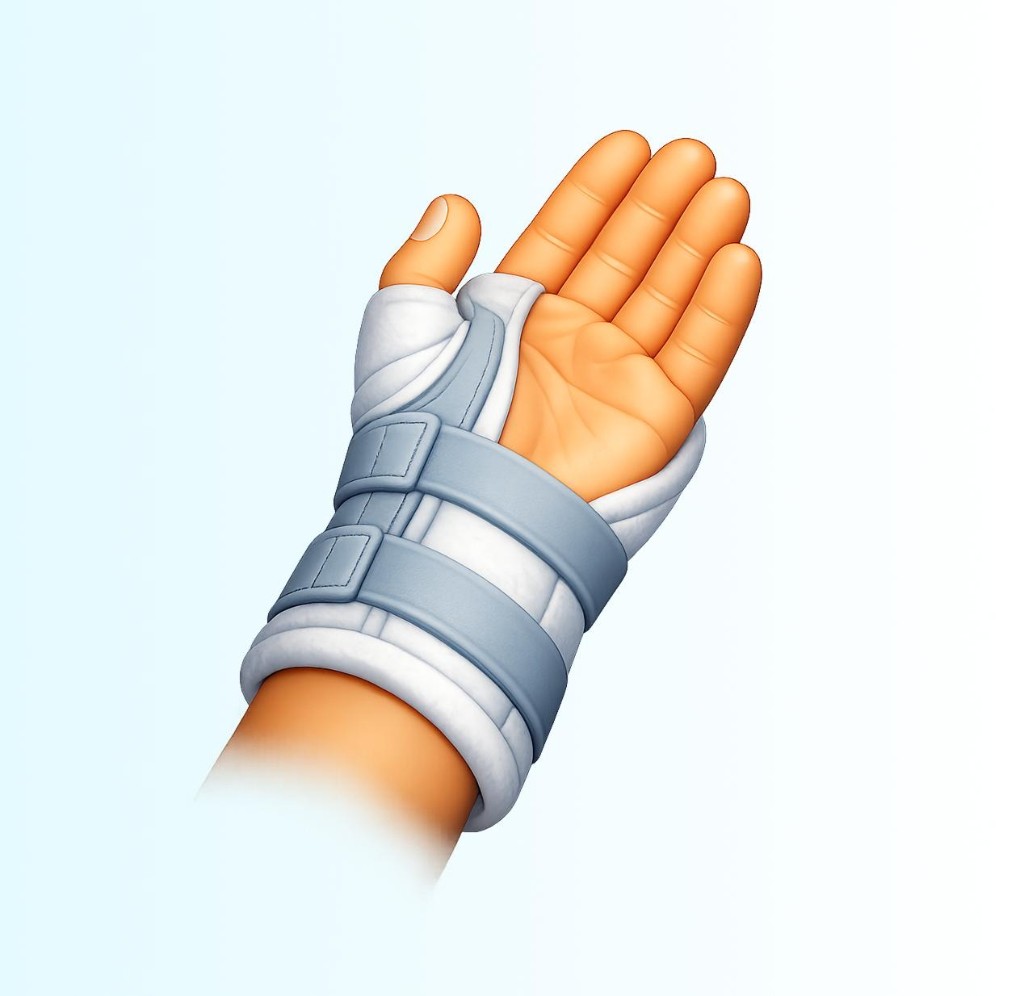
Tennis elbow surgery (lateral epicondylitis release)
Surgery that addresses irritated tissue at the common extensor tendon origin on the outer elbow — the area often involved in lateral epicondylitis (“tennis elbow”). The goal is to remove degenerative or torn tissue and reduce painful pull on the tendon anchor when conservative care has not been enough.
- Phases
3
- Red flagsEscalation
3
- Sources
2
Page reviewed — follow your clinical team for decisions.
Why it's done
- Persistent outer elbow pain with gripping or lifting despite structured non-surgical care
- Mechanical symptoms that limit work or sport when surgery is indicated
Related condition overview
Our learn library has a separate page on Tennis elbow — helpful context alongside this surgery overview (diagnosis, day-to-day coping, and when to seek care).
Typical recovery phases
General patterns only — your protocol wins.
These phases describe common themes many teams use after this type of procedure. Your surgeon and hand therapist set the exact timeline, motion limits, and return-to-work or driving rules.
- Phase 1Days 0–10
Protect the repair; control swelling.
Use a sling or brace only as directed; keep the incision clean and dry.
- Phase 2Weeks 2–6
Restore comfortable elbow and forearm motion.
Begin guided stretching and light use; avoid forceful gripping until cleared.
- Phase 3Weeks 6–12
Gradual strengthening and return to tasks.
Progress resistance slowly; report new catching, numbness, or night pain.
Red flags — call your team
Contact your surgical team urgently for new or worsening symptoms like these. If you cannot reach them and the problem feels life-threatening, use local emergency services.
- Fever, spreading redness, or drainage from the incision
- New numbness or weakness in the hand
- Severe swelling or color change in the forearm or hand
Sources
Independent references we used to shape this overview. They do not replace your clinician's instructions or your local emergency pathways.
- Tennis elbow (lateral epicondylitis) — AAOS OrthoInfo(accessed 2026-04-30)
- Tennis Elbow - Surgical Treatment — AAOS OrthoInfo(accessed 2026-04-30)