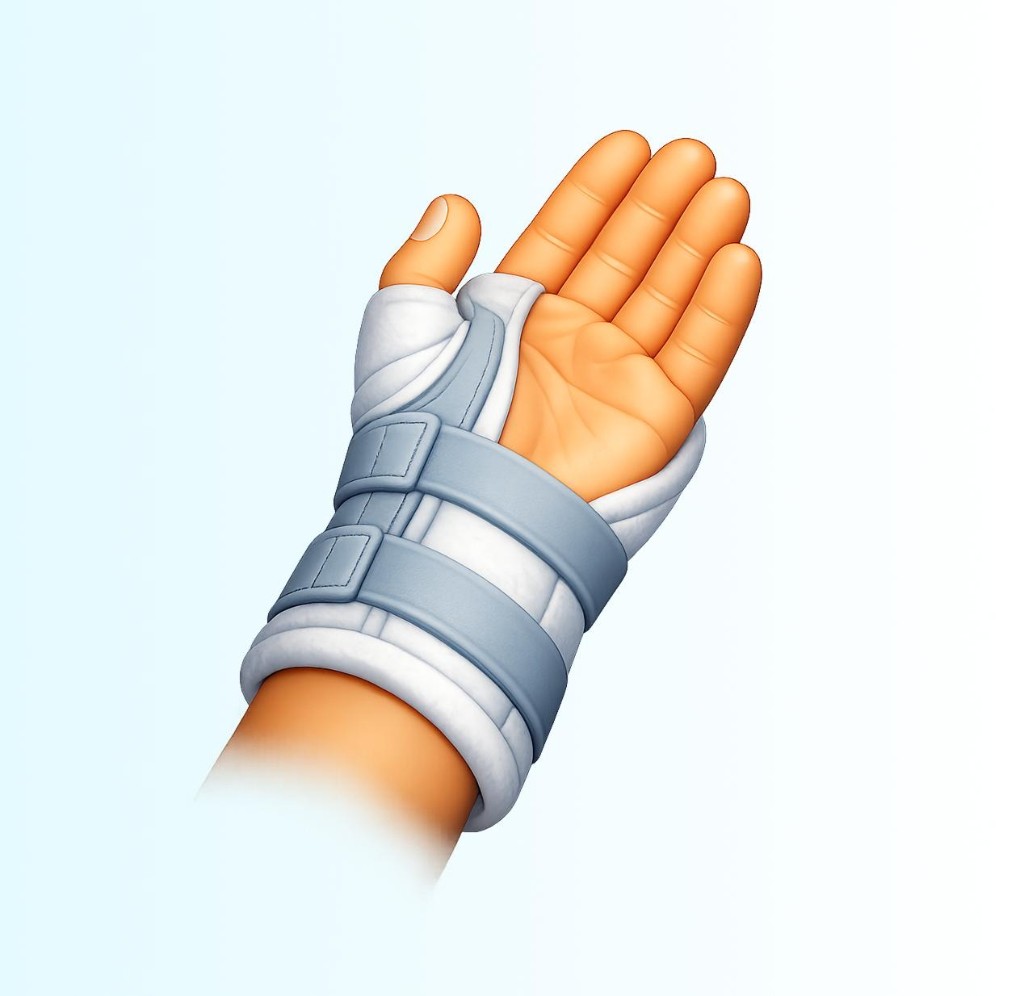
PIP collateral release (stiff finger)
A surgery to improve motion at the middle knuckle of a finger (the PIP joint) when the joint is stuck in flexion and collateral tissues or the joint capsule limit extension. It is not the same injury pattern as a boutonniere deformity, but recovery themes overlap.
- Phases
3
- Red flagsEscalation
3
- Sources
1
Page reviewed — follow your clinical team for decisions.
Why it's done
- A stiff PIP joint that blocks daily tasks after appropriate non-surgical care
- Contracture limiting extension when surgery is indicated
Related condition overview
Our learn library has a separate page on Boutonnière deformity — helpful context alongside this surgery overview (diagnosis, day-to-day coping, and when to seek care).
Typical recovery phases
General patterns only — your protocol wins.
These phases describe common themes many teams use after this type of procedure. Your surgeon and hand therapist set the exact timeline, motion limits, and return-to-work or driving rules.
- Phase 1Days 0–10
Protect tissues; control swelling.
Buddy straps or small splints are common early; move the tip joint gently as allowed.
- Phase 2Weeks 2–6
Restore safe extension without forcing.
Begin guided motion with your therapist; avoid aggressive passive stretching unless cleared.
- Phase 3Weeks 6–12
Rebuild control for pinch and grip.
Progress loading slowly; report new extension lag early.
Red flags — call your team
Contact your surgical team urgently for new or worsening symptoms like these. If you cannot reach them and the problem feels life-threatening, use local emergency services.
- Sudden inability to straighten the fingertip
- Fever, spreading redness, or drainage
- Numbness or color change that does not resolve
Sources
Independent references we used to shape this overview. They do not replace your clinician's instructions or your local emergency pathways.
- Sprained Finger — AAOS OrthoInfo(accessed 2026-04-30)