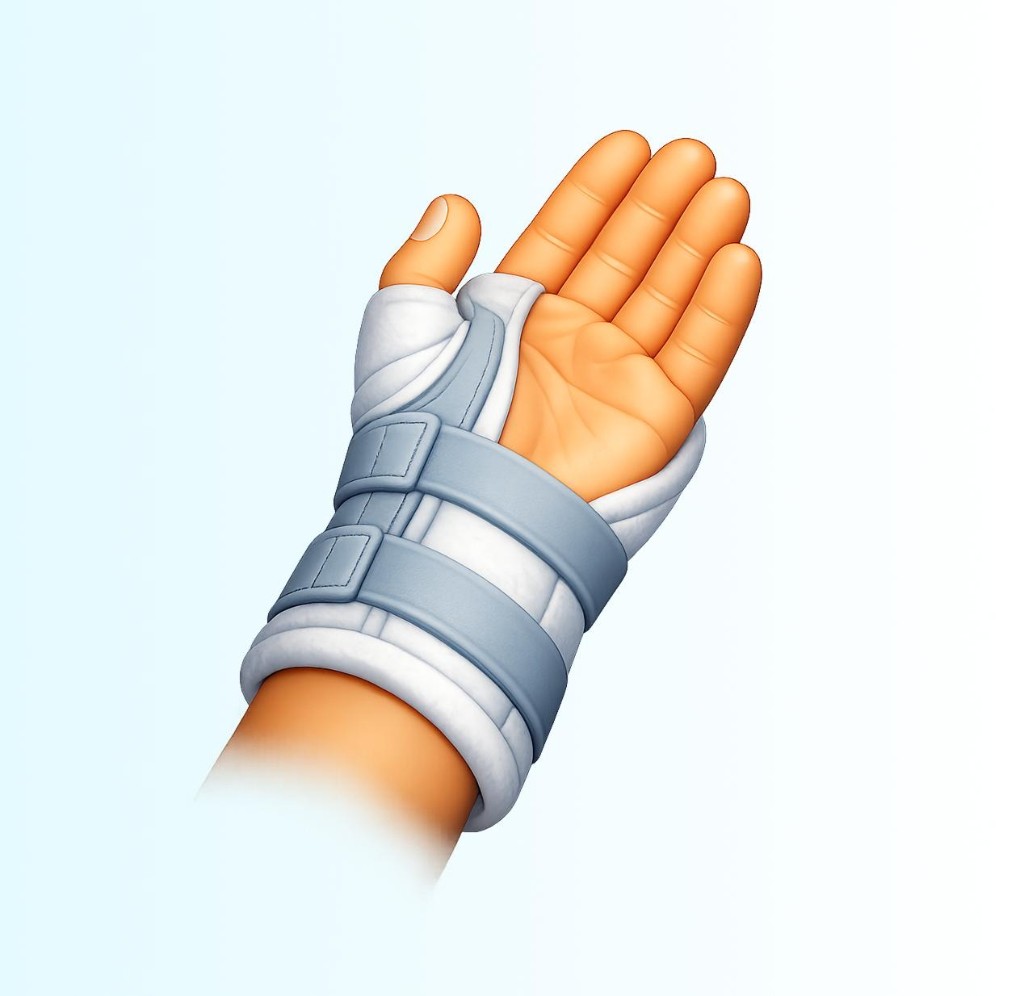
Dupuytren's fasciectomy
Surgical removal of the diseased cords of fascia in the palm to release a finger that has been pulled toward the palm by Dupuytren's disease.
- Phases
3
- Red flagsEscalation
3
- Sources
1
Page reviewed — follow your clinical team for decisions.
Why it's done
- Contractures that limit straightening, especially MCP > 30° or any PIP contracture
- Functional problems — washing the face, putting hands in pockets, shaking hands
Related condition overview
Our learn library has a separate page on Dupuytren's disease — helpful context alongside this surgery overview (diagnosis, day-to-day coping, and when to seek care).
Typical recovery phases
General patterns only — your protocol wins.
These phases describe common themes many teams use after this type of procedure. Your surgeon and hand therapist set the exact timeline, motion limits, and return-to-work or driving rules.
- Phase 1Weeks 0–2
Wound care; gentle motion to maintain the gain.
Elevate the hand and start motion exactly as instructed.
- Phase 2Weeks 2–6
Night-time extension splinting and active motion.
Wear the splint at night; do daily motion as prescribed.
- Phase 3Months 2–6
Maintain motion; recurrence surveillance.
Continue splinting if advised; report any new cords early.
Red flags — call your team
Contact your surgical team urgently for new or worsening symptoms like these. If you cannot reach them and the problem feels life-threatening, use local emergency services.
- Spreading redness, drainage, or fever
- New numbness or loss of motion in the operated finger
- Wound separation
Sources
Independent references we used to shape this overview. They do not replace your clinician's instructions or your local emergency pathways.
- Dupuytren's Disease — Treatment — AAOS OrthoInfo(accessed 2026-04-22)